

Capt Graham Ware
Stag Special
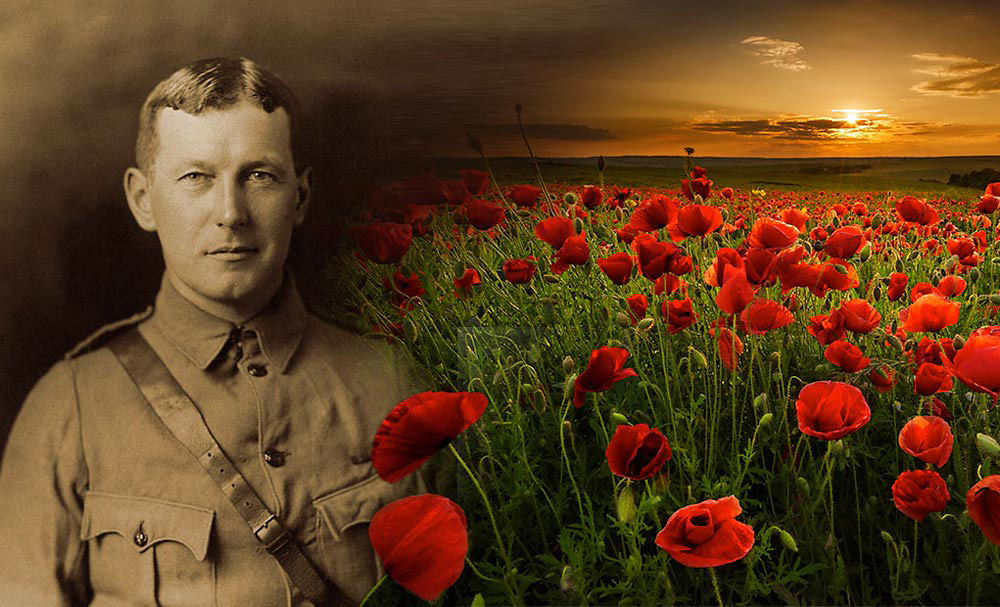
The city I consider my hometown, Guelph, Ont., also happens to be the birthplace of LCol John McCrae, who is best known the poem In Flanders’ Fields.
LCol McCrae and I attended the same high school. Something I only recently discovered is that McCrae’s grandparents immigrated to Canada from Balmaghie in Scotland, which is just a short distance — about 14 kilometres — from the ancestral homeland of my great-grandmother.
Additionally, he spent the first year after completing medical school as a resident house officer at Toronto General Hospital — the hospital where I was born.
Although In Flanders’ Fields is typically what we think of first when LCol McCrae is mentioned, it is important to note his other contributions as a surgeon, leader and author.
Did you know he was a gunner, quartermaster, and then a member of the Queen’s Own Rifles before he became a medical officer?
Or he co-authored a pathology textbook for medical students in 1912?
Or he was a professor at the University of Vermont for almost a decade between serving in two wars —Boer War first, followed by the First World War?
Sometimes we see the “one thing,” a single accomplishment, and miss the bigger picture. We see an award or recognition and miss the person and the story behind it.
We know the impact LCol McCrae had on how we observe Nov. 11. It is good to recognize significant achievements, but it is also important to sometimes pause, and see persons behind those things, to hear the full story, and appreciate the humanity of each.
Remembrance Day, and the days which lead up, are a great opportunity to know veterans, and know the deeper story — who they were and are, what inspired them, what impact their service had on them, and who they became through their service.
Capt Graham Ware is Base Chaplain at CFB Borden