
Andrew Oaken
Stag Special
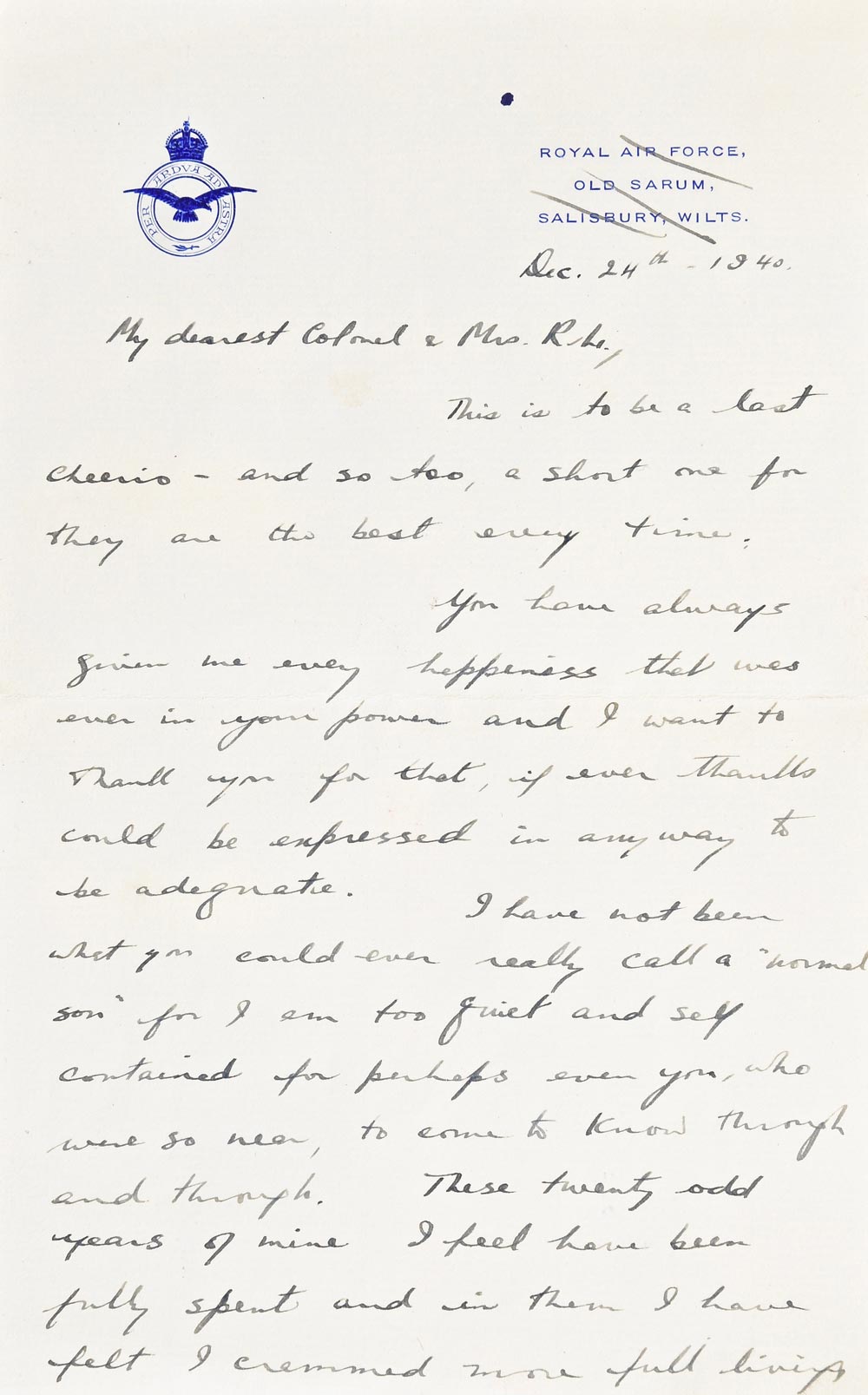
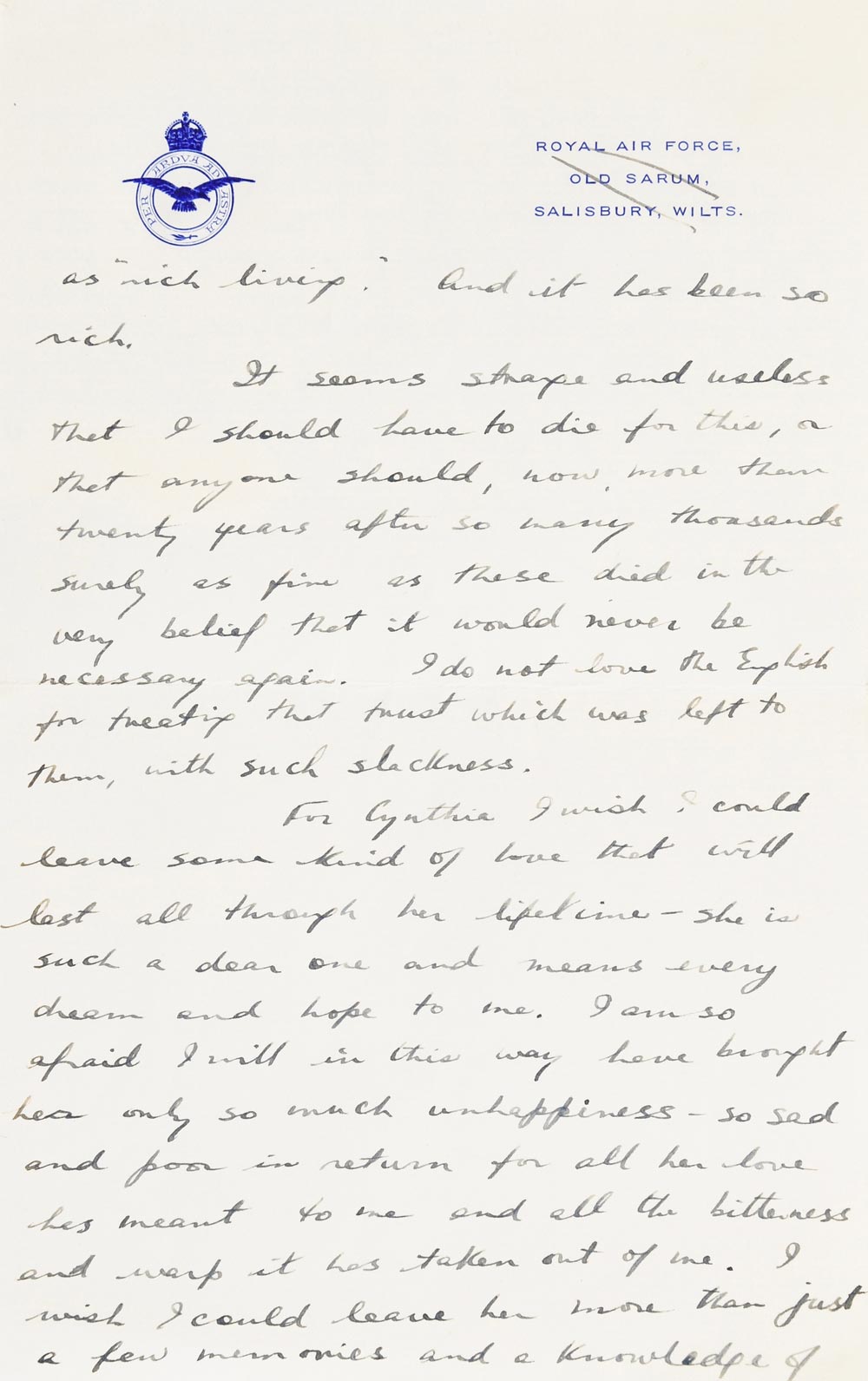
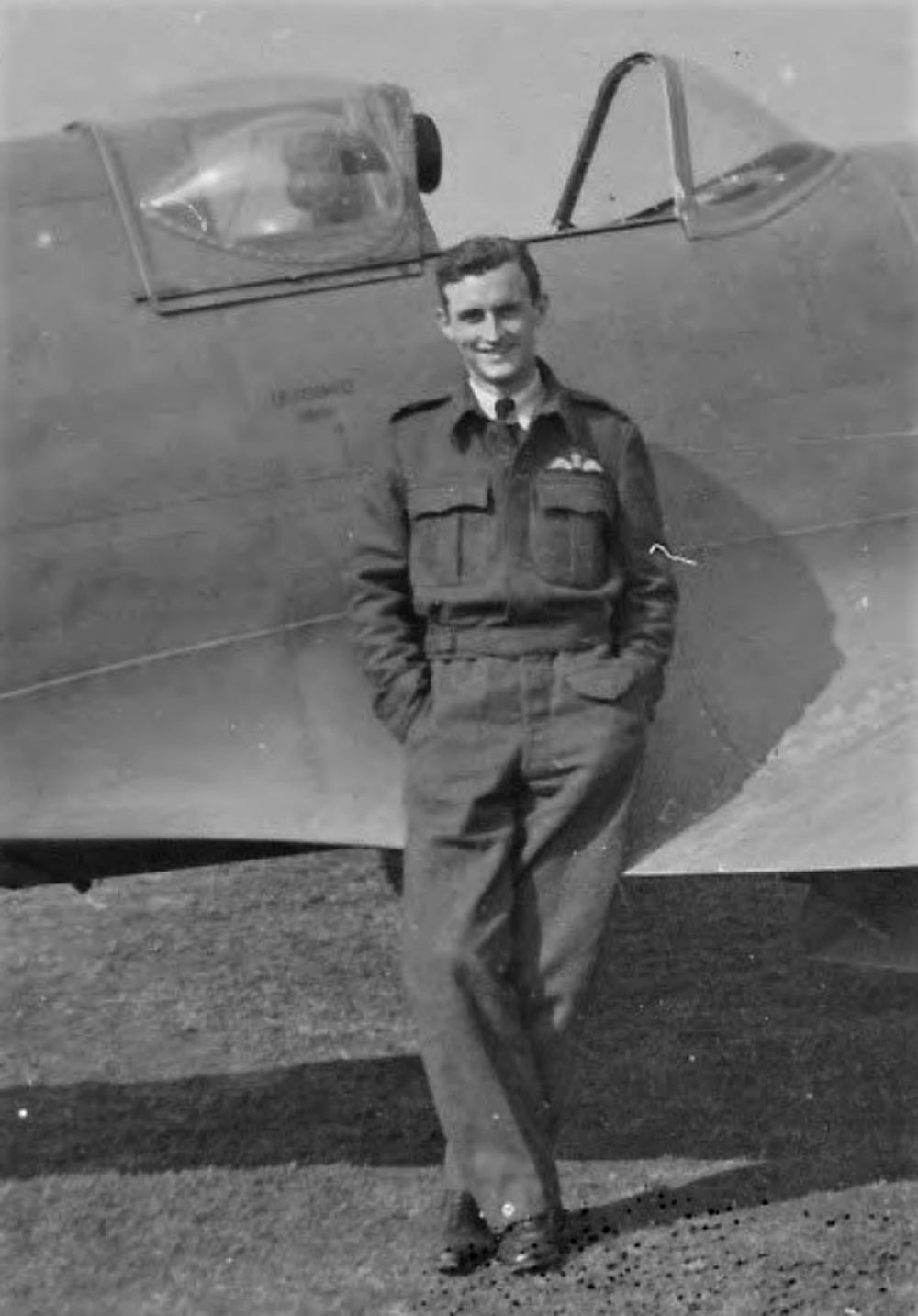
“It seems strange and useless that I should have to die for this,” Canadian Spitfire pilot William Fortt said in a heartfelt letter to his parents 16 months before he died in a fiery plane crash in Essex, England on April 12, 1942.
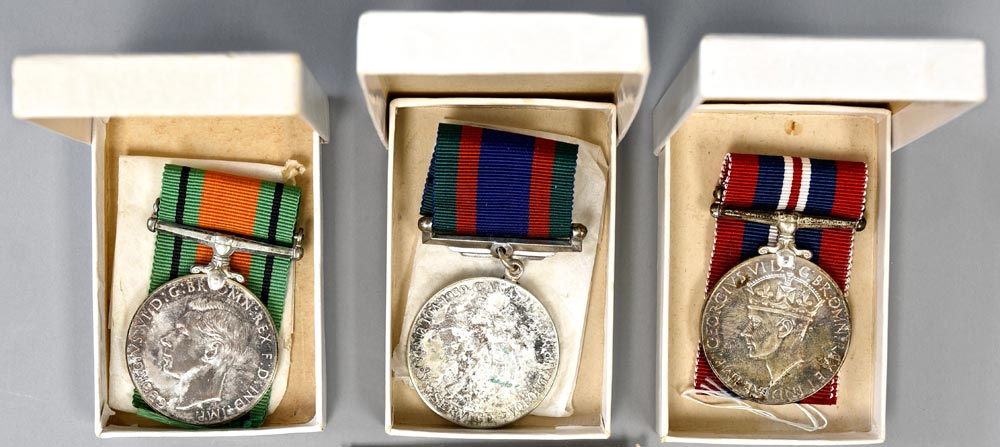
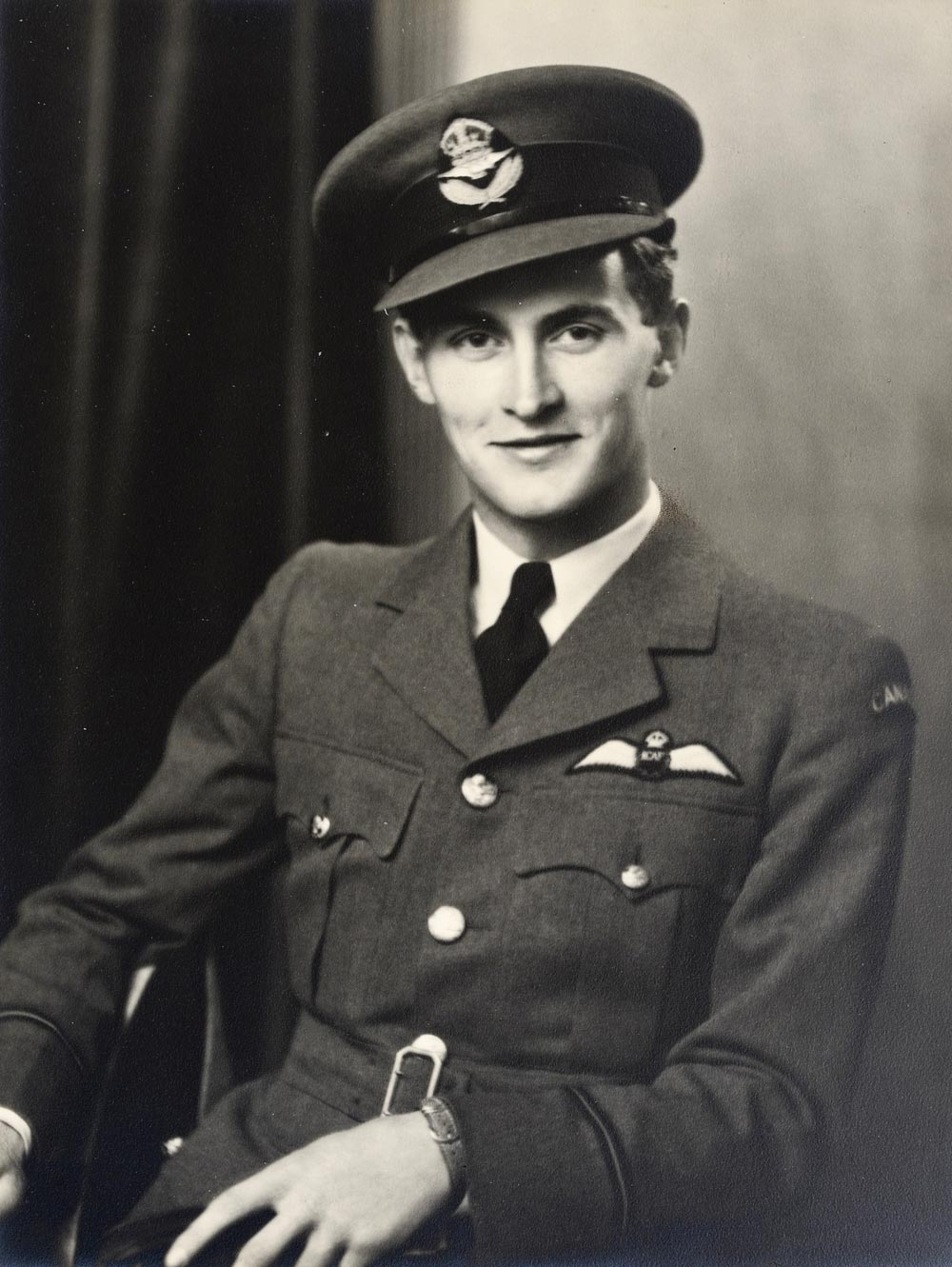
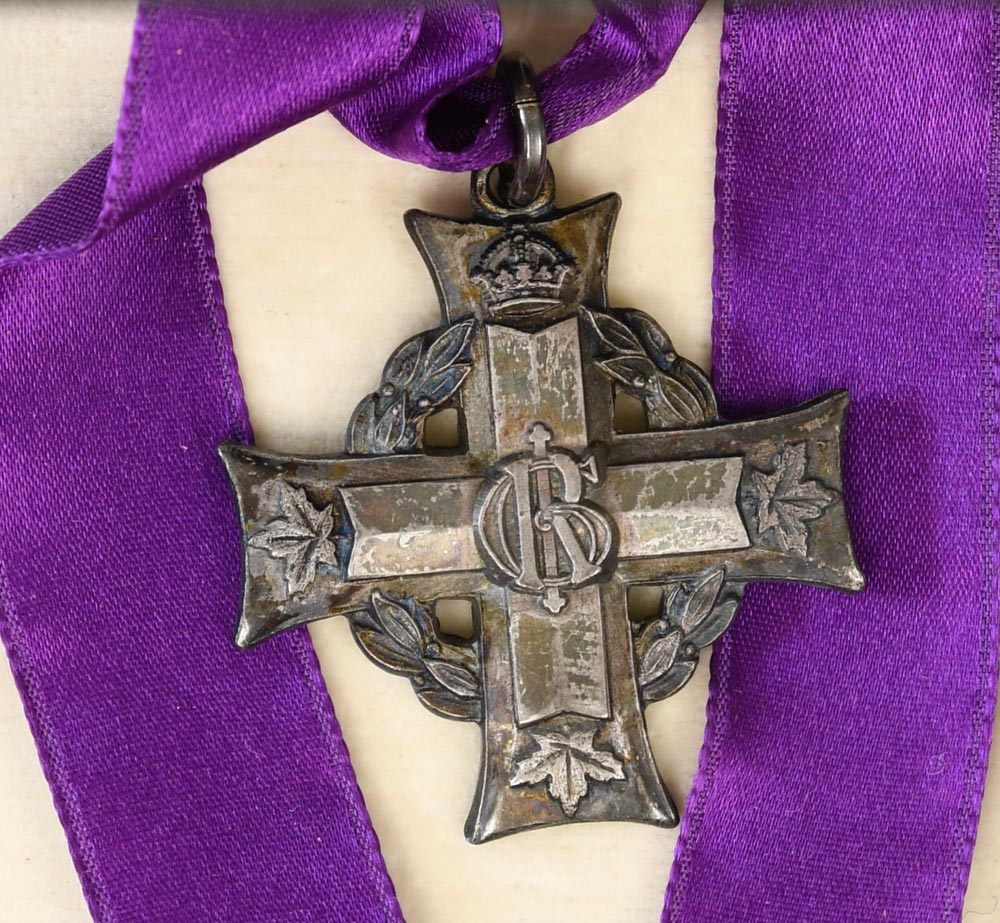
Dale Murray donated to the RCA Museum the military medals of pilot William (Bill) Fortt, from the Royal Canadian Air Force (RCAF). Bill was the son of Col Ronald Fortt, a Great War veteran out of Vancouver, BC.
Bill volunteered just before the outbreak of the Second World War in August 1939. The doctor completing Bill’s medical described him as “a fine looking young man … with above average intelligence.”
In August 1940, he earned his pilot’s flying badge and joined the No. 1 Photographic Reconnaissance Unit, RAF, in the UK.
The collection provided by Murray includes a rather unusual letter with the markings on the outside, “Not to be Read.”
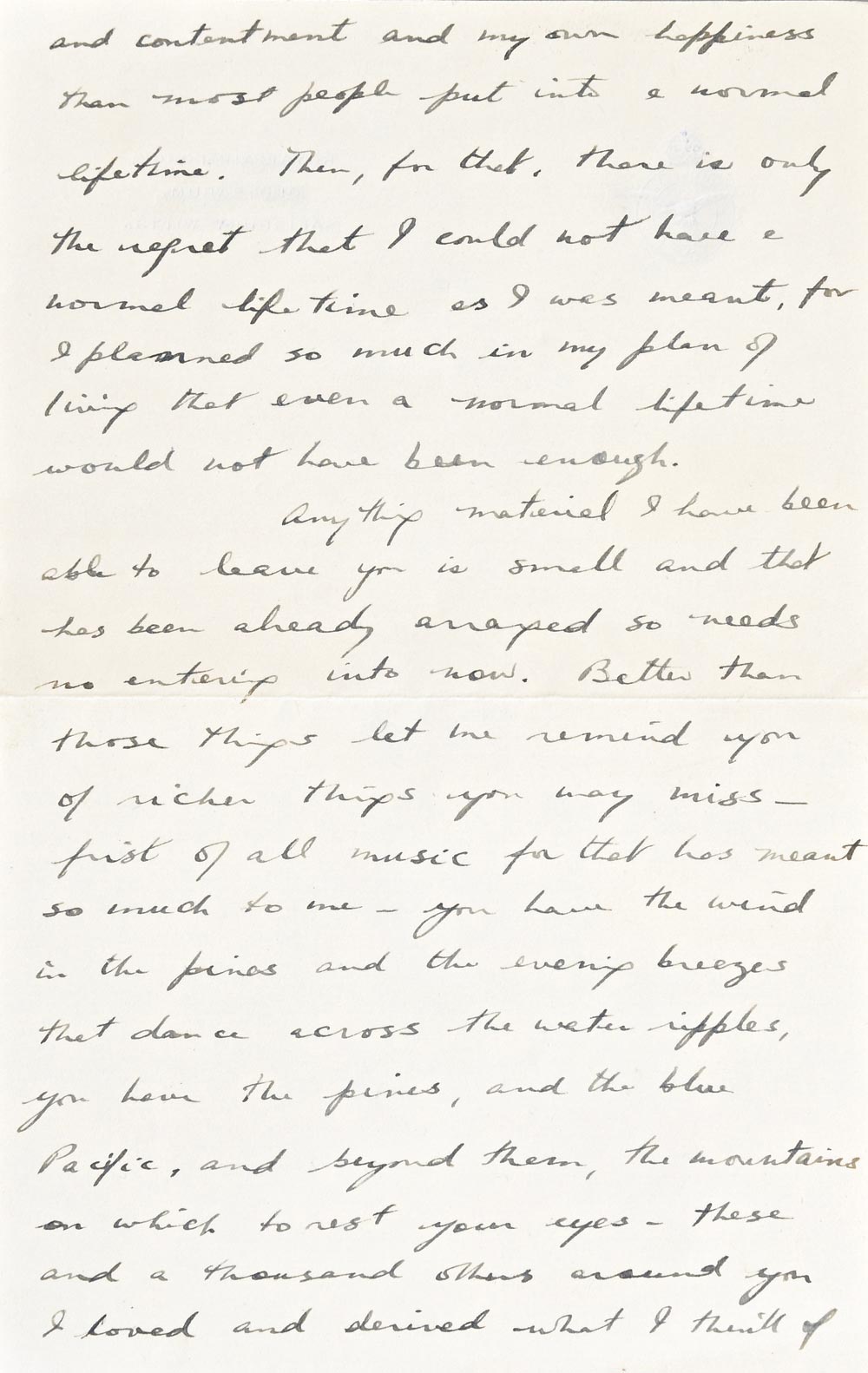
It’s a death letter — to be sent to his parents if he died in action. In the letter, Bill mentioned he didn’t meet his father’s expectations, stating he was not a “normal son” and was too quiet.
Bill wrote he “crammed more living and contentment [in his short life] than most people [get] in a normal lifetime.”
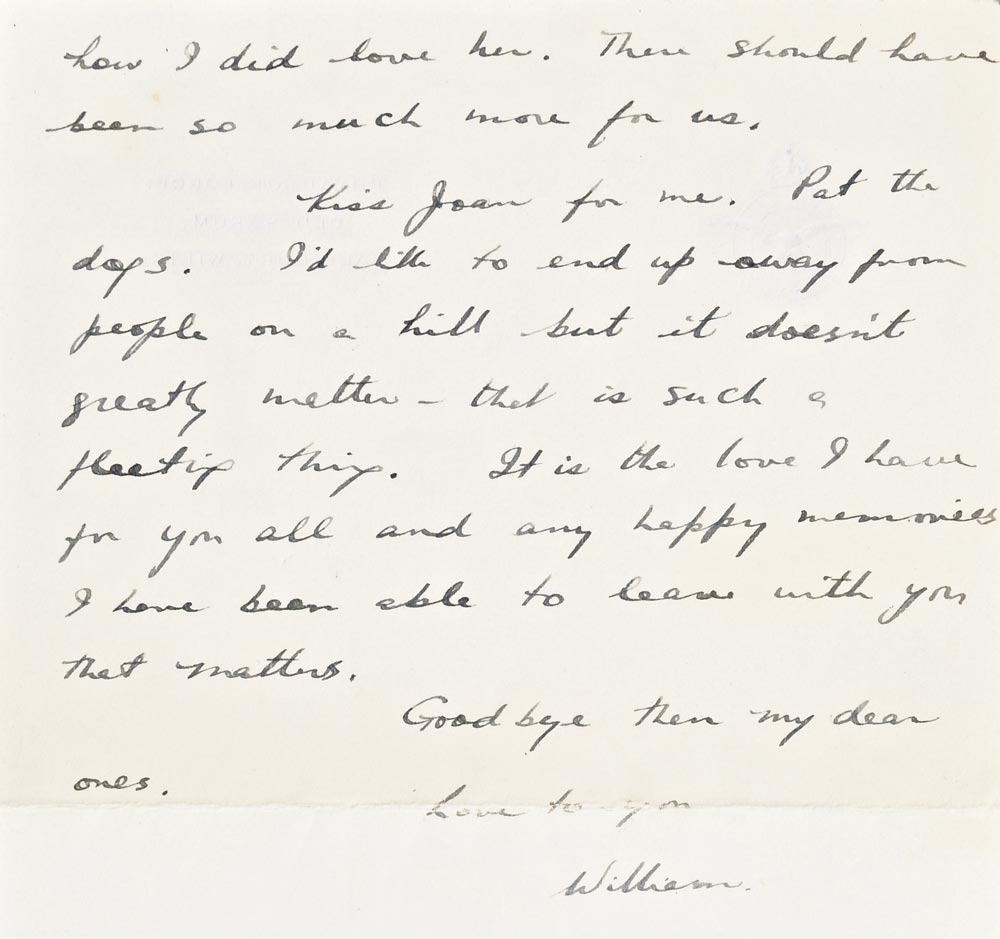
He then said to Cynthia, likely his girlfriend, “I wish I could leave some kind of love that will last all through her lifetime,” then ended the letter with “Goodbye … my dear ones, love to you, William.”
He opened his four-page letter by addressing his father as “my dearest Colonel” then wrote “This is to be a last cheerio — and so too, a short one for they are the best every time.”
He wrote of his possessions for those left behind after his death, “Anything material I have been able to leave you is small and that has been already arranged so needs no entering into now. Better than those things let me remind you of richer things you may miss — first of all music for that has meant so much to me. You have the wind in the pines and the evening breezes that dance across the water ripples, you have the pines, and the blue Pacific, and beyond them, the mountains on which to rest your eyes. These and a thousand others around you I loved and derived what I think of as ‘rich living.” And it has been so rich.”
Bill’s last paragraph before signing off read, “Kiss Joan for me. Pat the dogs. I’d like to end up away from people on a hill, but it doesn’t greatly matter — that is such a fleeting thing. It is the love I have for you all and any happy memories I have been able to leave with you that matters.”
With a bit more checking, Bill had flown in operational missions at three times the average rate of most Spitfire pilots and was courageous and competent.
One month before the ill-fated flight, he suffered a severe hernia and wrote to his parents. Bill talked about his ill health and trouble breathing, noting a medical officer recommended six months of operational leave, but his Commanding Officer (CO) only gave him one month off.
He also sharply criticized his CO in the letters. The Army censors intercepted the letters, and Bill received a reprimand. Bill’s CO told him he was not measuring up and had a despicable nature.
Soon after, on April 12, 1942, pilot William Fortt flew in the ill-fated reconnaissance mission destined for enemy territory. When at high altitude, eyewitnesses say the Spitfire did a sustained, high-speed nose-dive to the earth, resulting in the plane exploding and burning on impact.
The RCAF could not determine why Bill lost control of the Spitfire; they speculated that he blacked out due to a lack of oxygen. Ultimately, we do not know why this brave pilot crashed the Spitfire and died at the age of 21.
Canadian pilot William Fortt was a brave airman who penned loving words to his family. Bill completed many operational missions, but died mysteriously, under questionable circumstances, flew his Spitfire at high altitude, then nose-dived to a ‘strange and useless’ death.
Bill was one of the 17,397 Canadian RCAF members who did not survive the Second World War, and his tragic yet courageous story deserves re-telling. The curious ‘Not to be Read’ letter only adds to the mystery and intrigue.
Beside the letters and medals donated to the RCA Museum by Dale Murray, there are a few photographs of the Spitfire pilot. The penned letter tells a story of William Fortt, who died in a fiery crash in the spring of 1942. He shares his thoughts with his father, eloquently in his clear penmanship on the four pages he sealed in an envelop marked ‘Not to be Read.’ Photos supplied